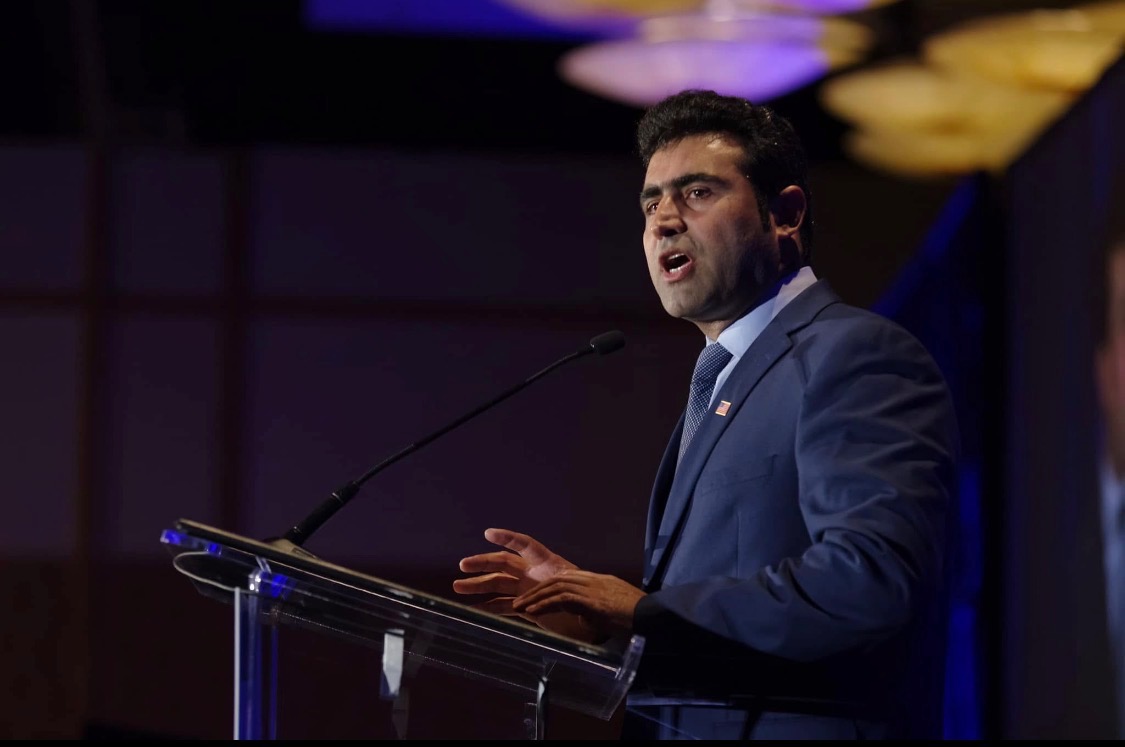
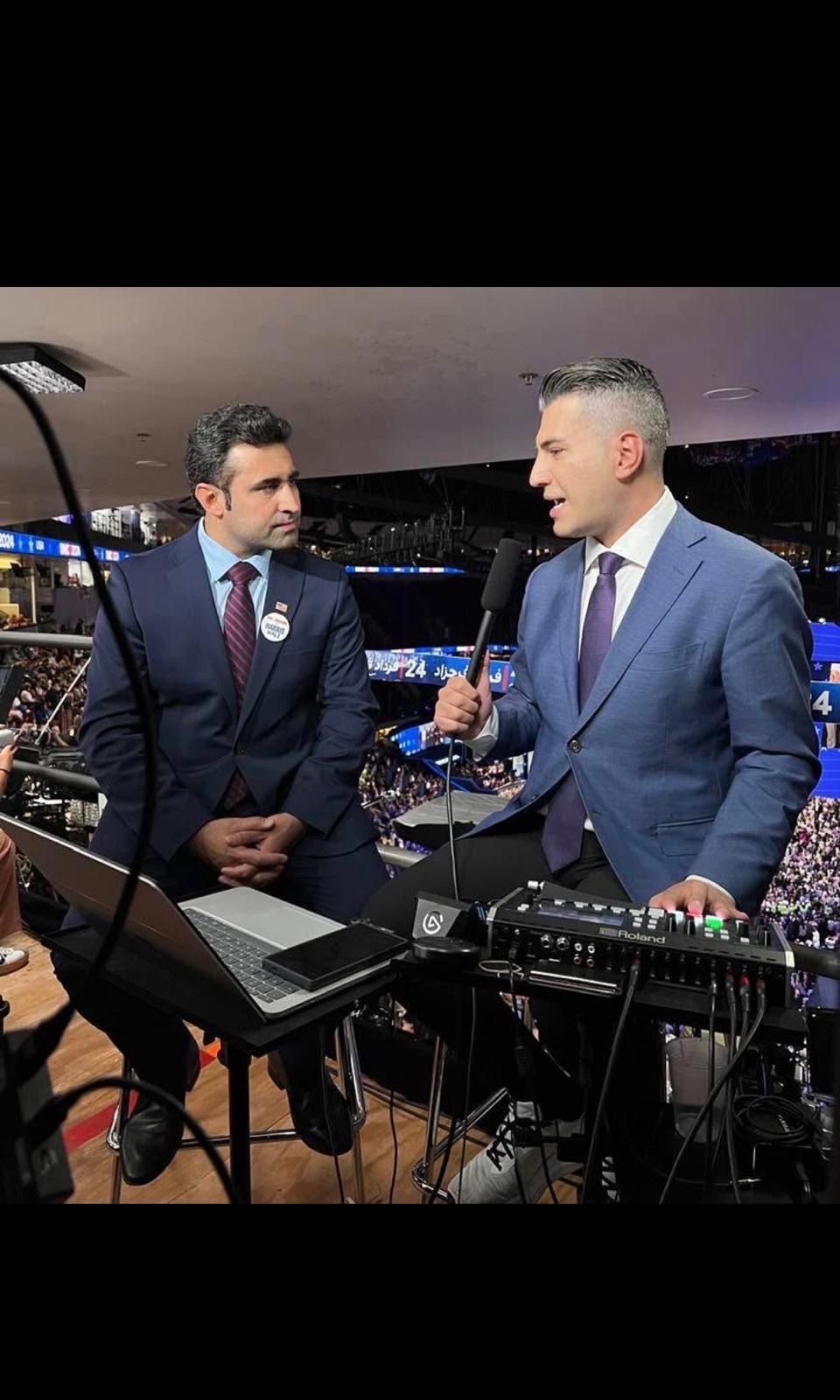
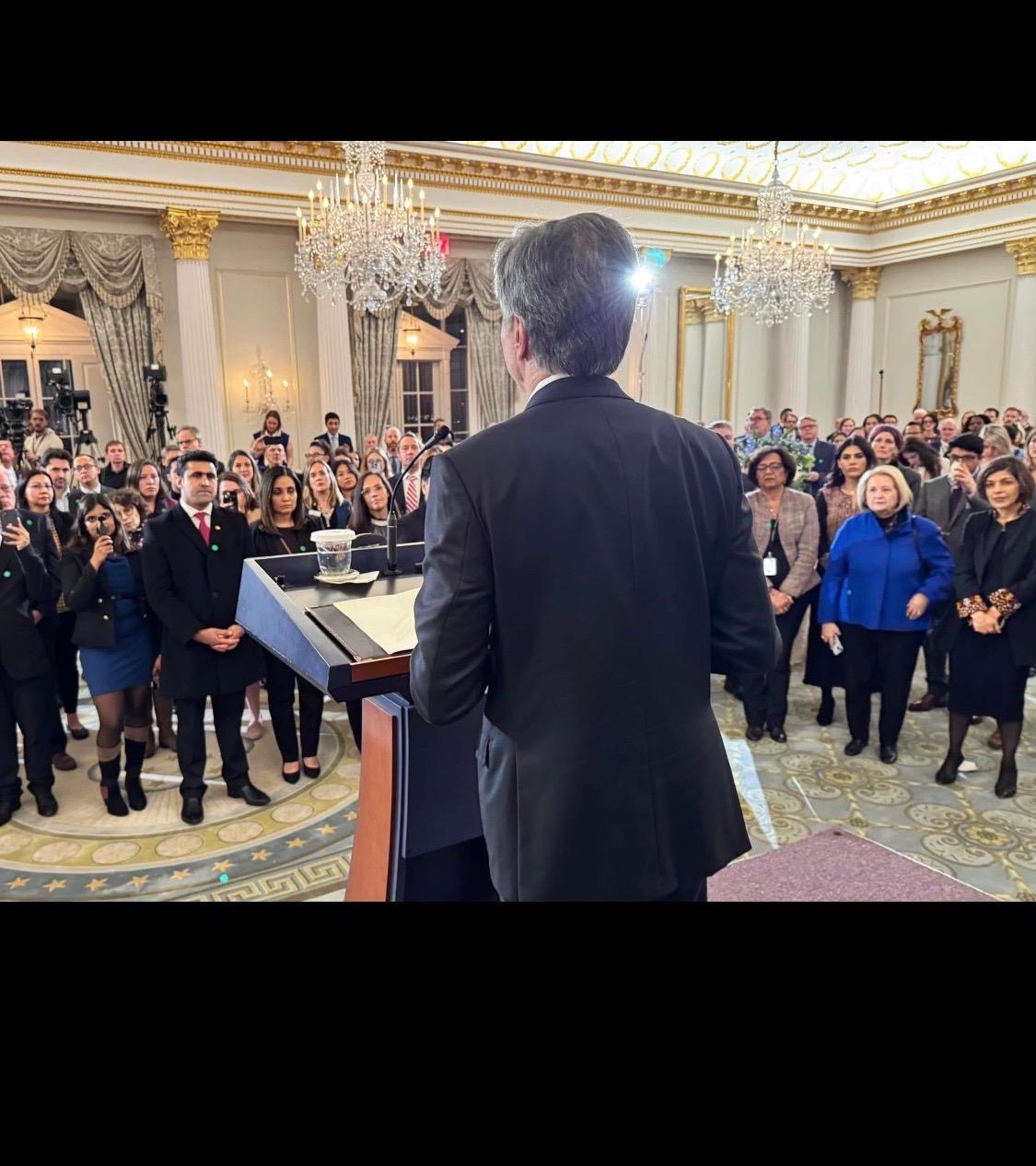
I am Mohammad Rahimi, I grew up in Afghanistan. where the lack of rule of law, good governance, democracy, freedom and the existence of domestic war between tribes and political parties contributed to a devastating political and economic environment. In recalling my childhood, the lack of jobs, trades, and businesses pushed people to immigrate to foreign countries. In addition, informal or traditional punishment systems became the only method of solving legal and criminal disputes, and judgeships were mainly held by illiterate local and tribal leaders whose decisions were ultimately the law of the land. Along with the dangers of living in an unsafe environment, those terrible systems made me think about ways Afghans could change this inhumane system. Finding the environment troubling and in dire need of reform, I attended law school at Herat University because I wanted to become part of a lasting solution. During my final year of law school, I served as an intern at the International Legal Foundation of Afghanistan. After finishing my law studies in 2008, I established a nonprofit called the Association of Youth and Students, in which I sought to improve the lives of other Afghan students through civil seminars, conferences, and educational centers. One year later, in 2009, I won a spot in the coveted, National Assembly Fellowship Program. The program was established by the National Assembly of Afghanistan with assistance from USAID. This opportunity enabled me to work closely with lawmakers and the legislative committee. After completion of the fellowship program, I was recruited by the U.S. Army as an attorney and ally to the U.S. Government. Initially, I felt like my dream came true — that I would assist my country with rebuilding efforts. Instead, that dream came crashing down. What I thought would be democracy and justice became mistrust and a lack of understanding between the U.S. Army and the Afghan people. I received threatening calls and letters from the enemy. I cannot forget those days and nights. Still, I never gave up on my dream. I had a mission to improve the rule of law in Afghanistan, and progress, albeit very slow and difficult, was something I had to constantly work towards. I went on to work as Chief of Staff to the Governor and later, to the Lieutenant Governor, and after such a tumultuous early start to my legal career, I received my United States Visa. My passion for serving people and fighting for peace, human rights, and democracy only grew during my time in the United States. It was not an easy move by any means, however. I faced discrimination based on my name, religion, and ethnicity. I recall being frightened and confused — I came to the United States to escape threats and insecurity — but even here I felt disrespected and unsafe. Life started to change for the better when I continued my legal education at the McGeorge School of Law in Sacramento. I learned a lot at McGeorge, which is a diverse environment filled with qualified and talented students from all around the world. I was able to meet people of different races and ethnicities. Through McGeorge, I expanded my legal knowledge and experience, and even served as an intern at the California State Assembly. Most importantly, my voice as an immigrant grew stronger. Through the challenges I have faced in my lifetime, I am now more confident to continue my career in social justice to push change and equality. I will continue to fight for what I believe in. Now, I am proud to say that I am positively contributing to society. To everyone in the world working to improve social justice and the rule of law, let’s keep fighting. .
He founded the "Youth and Students Association" and participated in the National Council Fellowship Program, and also worked as a legal consultant for the U.S. Army. His current research focuses on social justice, human rights, and the role of immigrants in shaping international law.
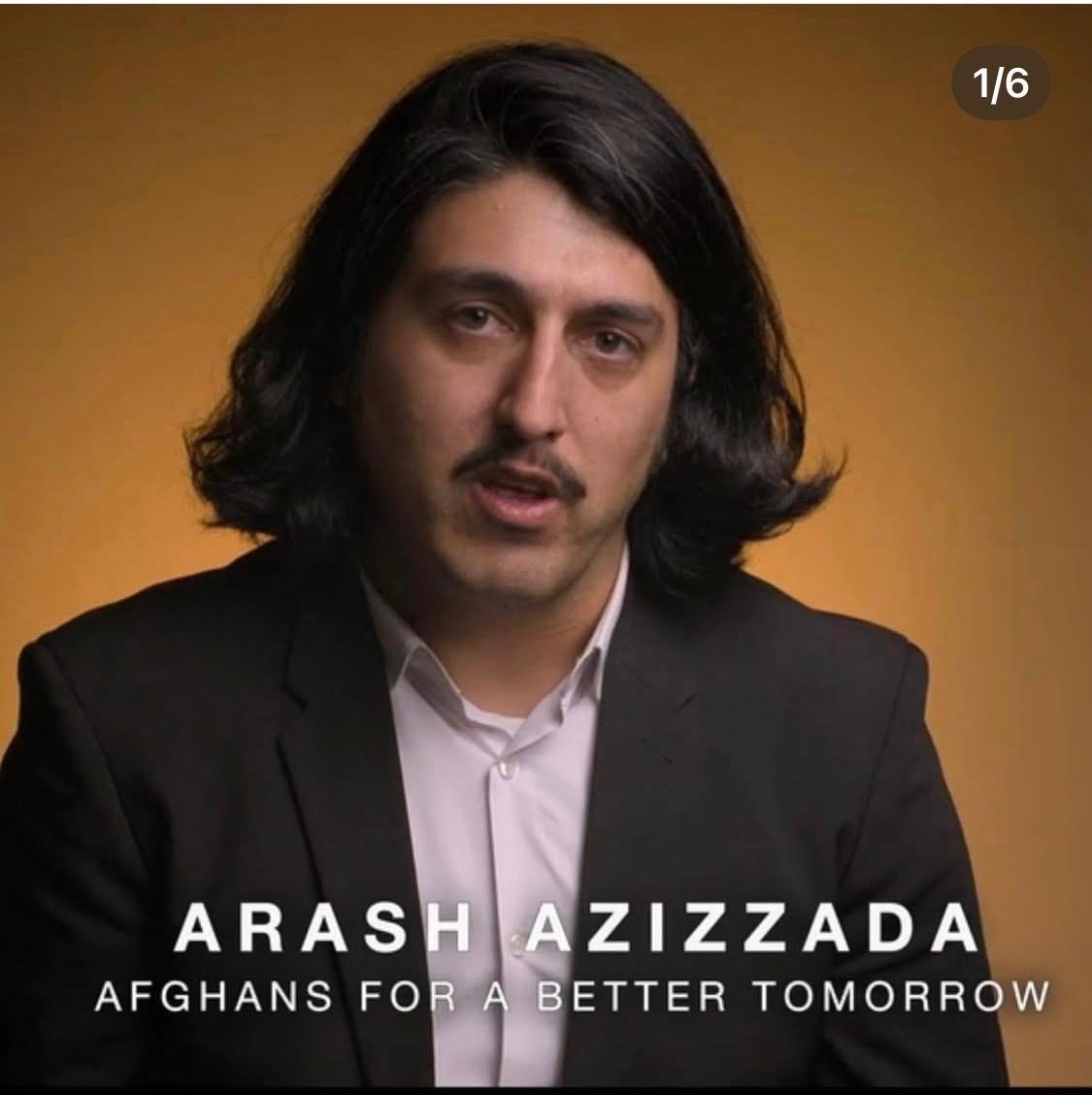
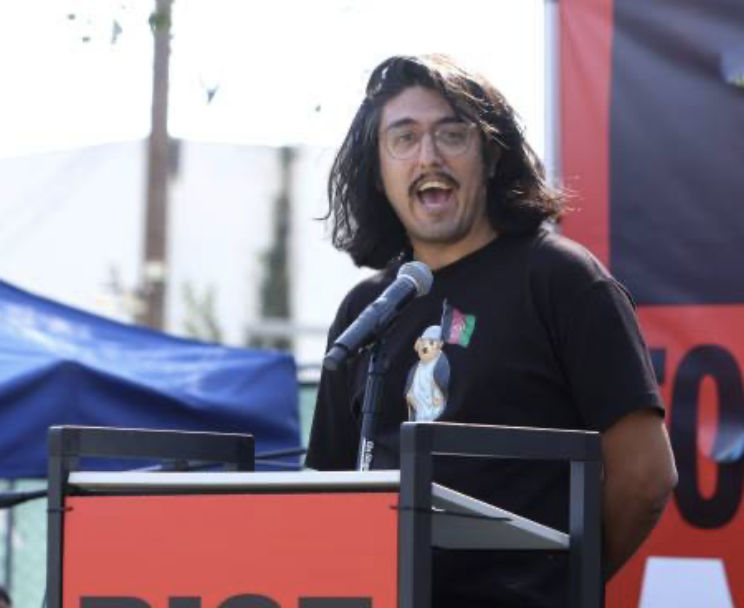
I am Arash Azizzadeh, a writer, photographer, and community organizer & the co-founded of ADEP and AFBT. I writes about immigration, identity, and social justice in major international newspapers.
again, I’m a writer, photographer, dreamer and community organizer based in both Los Angeles and New York City. As an immigrant and the child of Afghan refugees, I am deeply committed to collective liberation and building communities. In 2016, I co-founded the Afghan Diaspora for Equality and Progress (ADEP), formed to elevate and empower change makers within our Afghan American community. As the Trump Administration announced negotiations for a withdrawal from Afghanistan, I co-led advocacy efforts to ensure Afghan women were at the negotiating table. Ahead of the United States’ withdrawal from Afghanistan, I launched Afghans For A Better Tomorrow (AFBT), which focused on evacuation and rapid response coordination efforts. Today, I lead the day-to-day operations as AFBT’s executive director by aiming to transform the lives of Afghans through grassroots organizing, communal healing and movement building for a better tomorrow to ensure Afghans can lead dignified lives. I also serve on the board of Afghan Cultural Society based in Minneapolis, Minnesota. I have written for the New York Times, Newsweek, and has been featured in the Los Angeles Times, Time Magazine, National Public Radio (NPR), the Washington Post as well as Vice News. You can catch me speak about the dangers of AI and drone warfare on Netflix’s new documentary “Unknown, Killer Robots.” In 2023, I was selected to be a Rockwood Leading From the Inside Out Fellow. In 2024, I was a fellow with the Immigration Leadership Hub. In the past, I have told and documented the stories of marginalized communities across the United States as a journalist. As a film maker and photographer, I have shot music videos, short films and photographed historic protest movements, from Occupy Wall Street to Black Lives Matter.
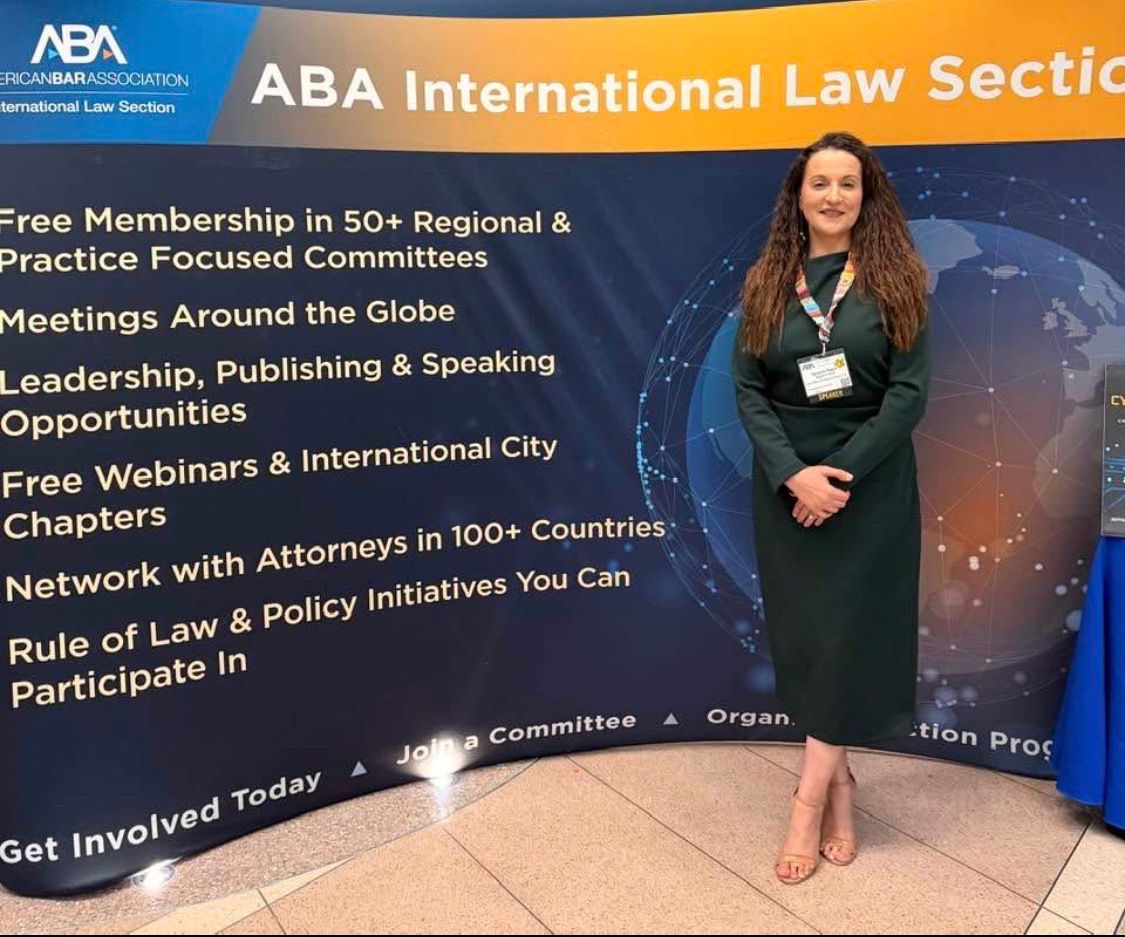
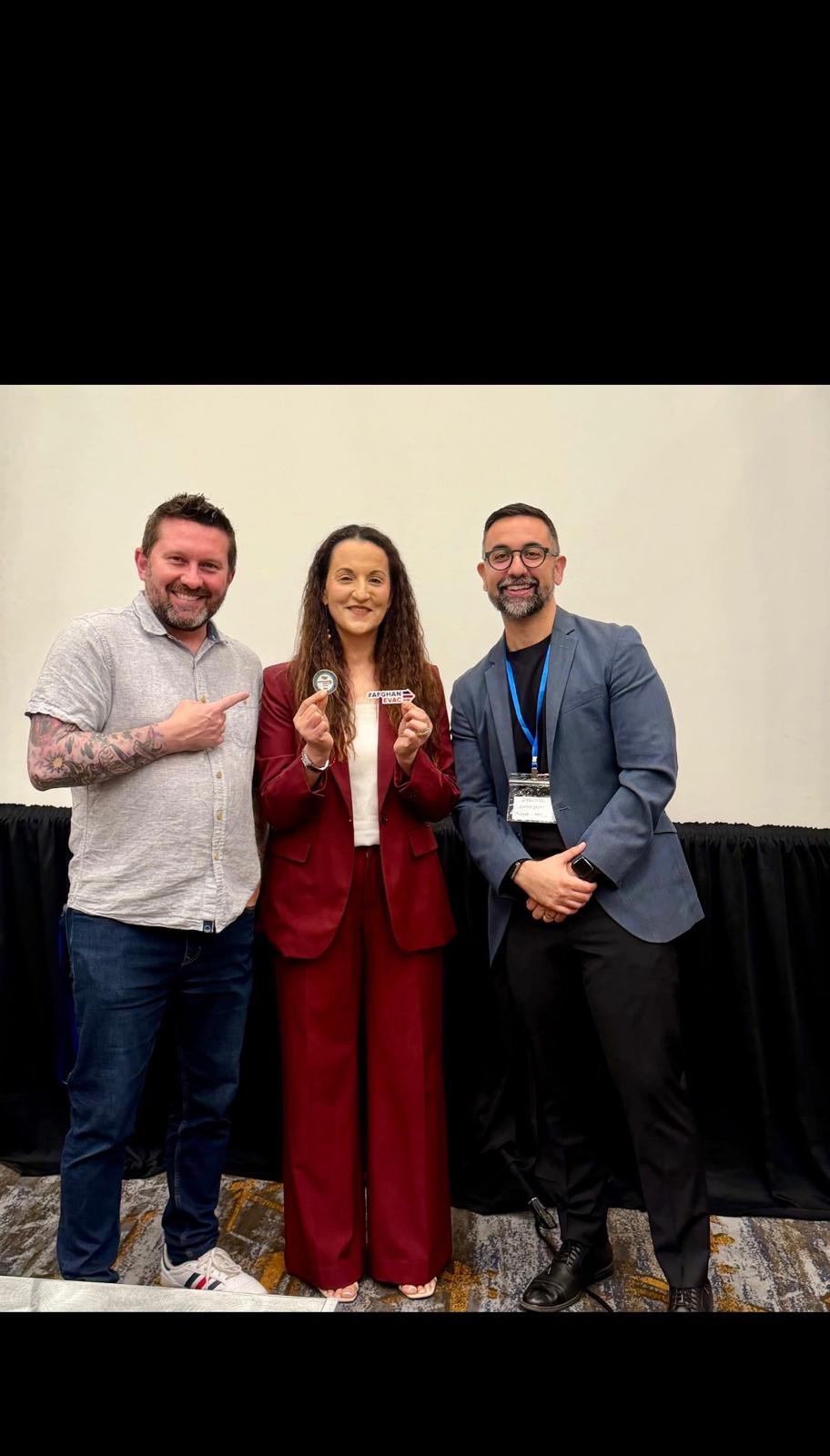
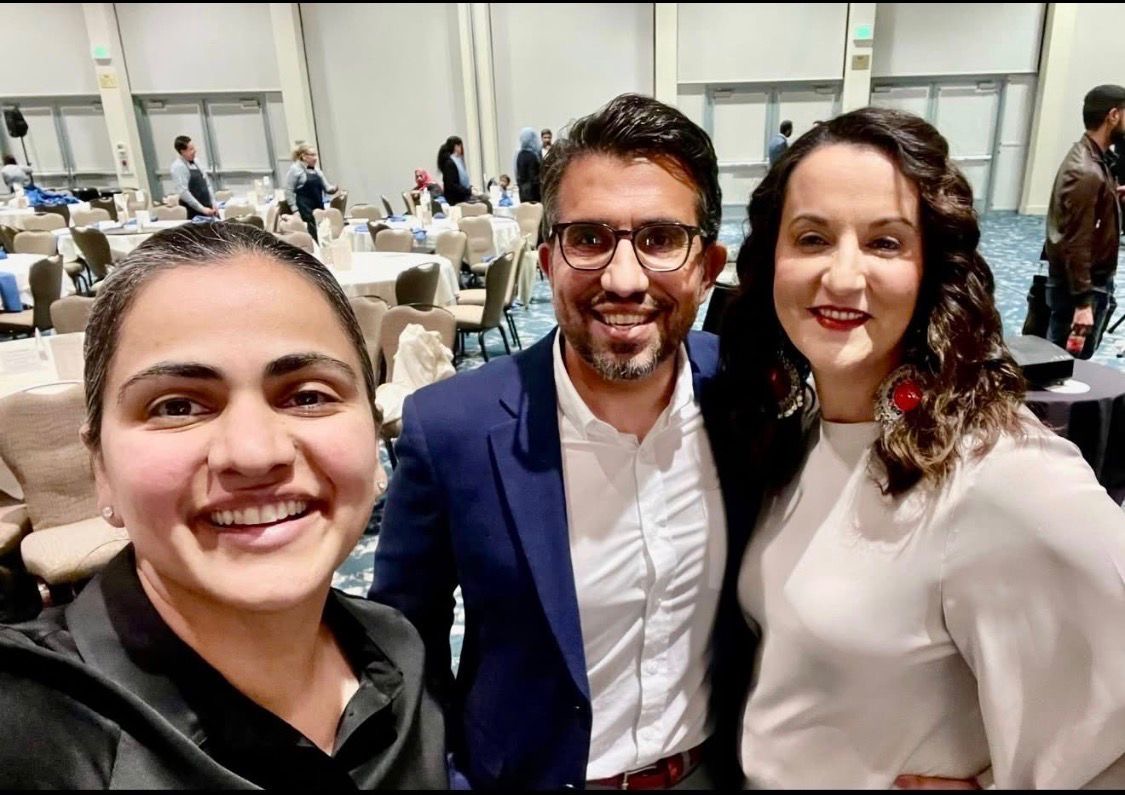
I am Spojai Naseri first-generation immigrant who is acutely aware of the pain endured by immigrants separated from their families. my personal experience gives me an in-depth understanding of the challenges faced by my clients and how complex and emotionally draining the American immigration process can be. I founded the Law Office of Spojmie Nasiri, PC in 2011 to provide my clients with personalized and compassionate immigration legal service they deserve. I received my Bachelor of Arts degree in Political Science from the University of California, Davis in 1998 and Juris Doctorate from Golden Gate University, School of Law in 2003. I am a member of the California State Bar and is admitted to practice before the California Supreme Court and the U.S. District Court for the Northern District of California. I currently practices immigration law exclusively & am an active member of the American Immigration Lawyers Association. She has extensive experience representing clients with family-based Immigration matters before U.S. Citizenship and Immigration Services, complex deportation matters before the Federal Immigration Court and U.S. Embassies around the world. my unique immigrant background, community involvement and associations reflect my outstanding dedication and commitment to her clients. In addition to practice, I served as a pro bono attorney at the University of California, Davis School of Law Immigration Clinic. I provided detained immigrants with legal representation before the Executive Office of Immigration Review and have conducted training on immigration law in the San Francisco Bay Area and across the United States. as a Attorney I have been widely recognized by my peers and clients as a passionate legal advocate. I was selected as a Northern California “Rising Star” by Super Lawyers Magazine for 2015 and 2016, and selected to the 2021 Northern California Super Lawyers list. In 2019, I was inducted into the Alameda County Women’s Hall of Fame for my dedication and commitment to immigration related legal work in the community. In addition to English, I am fluent in Pashto and Dari.
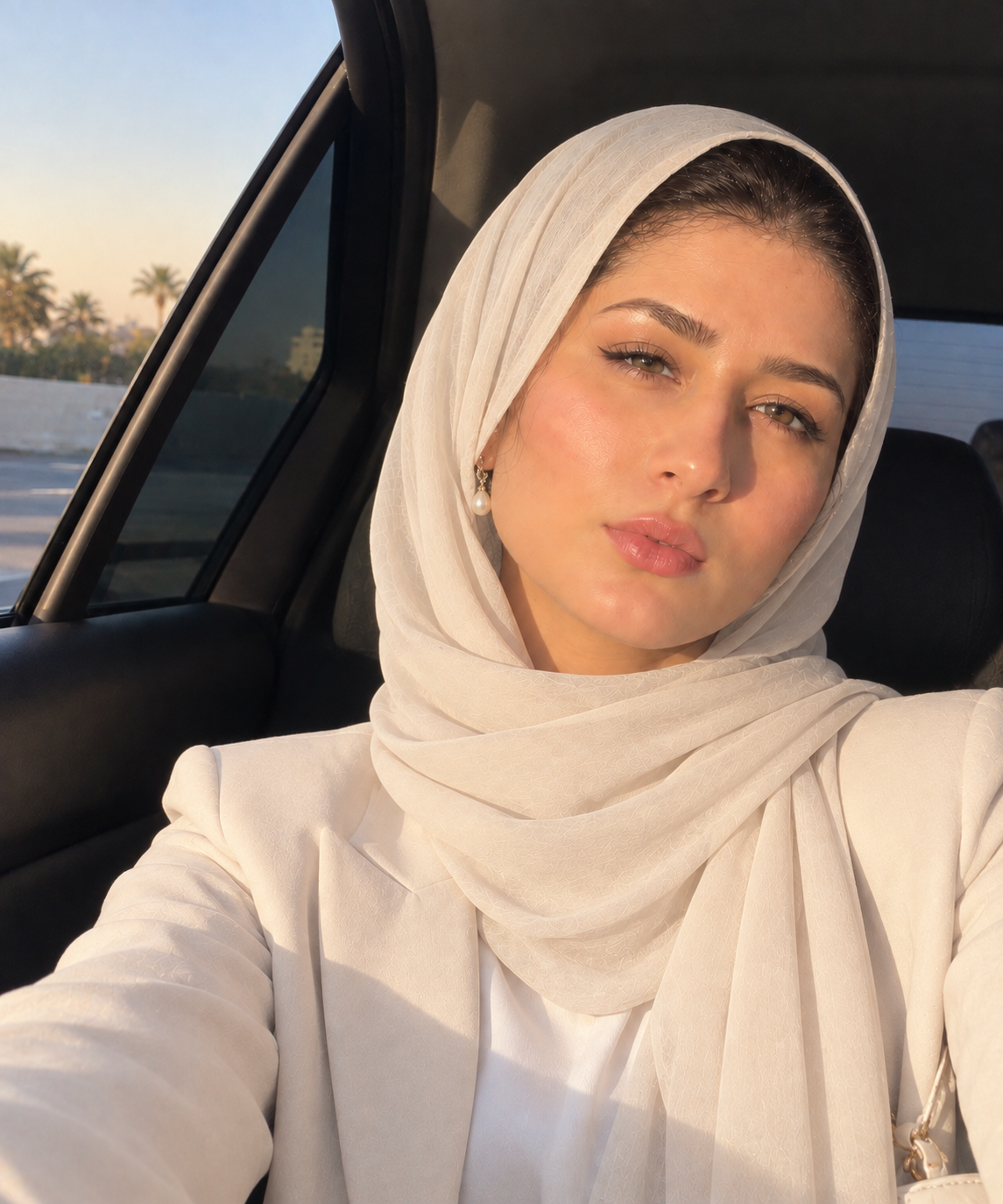


Sofia Mushahed is the founder of Azadi and its technology system developer. She holds a degree in International Relations and Programming, and is fluent in five languages: English, Dari, Pashto, Arabic, and Russian.
Her research focuses on the geopolitics of the Middle East and North Africa, using data analysis techniques to understand political and cultural transformations in the region.
Omar Azizi is a former refugee who became a USC graduate and Jack Kent Cooke Scholar. He currently leads globalization partnership strategy at Netflix.
He co-founded the SAFAR app for refugees and is considered one of the thought leaders in the field of international expansion and organizational development. He combines academic and practical experience to develop innovative solutions for global challenges.